
Connected Car Architecture & Telematics Hardware: A Technical Overview of the Vehicle IoT Ecosystem
An engineering overview of modern vehicle telematics architecture, examining CAN-bus diagnostics, C-V2X direct radio, in-cabin OBD WiFi hotspots, and cloud FMS integration.
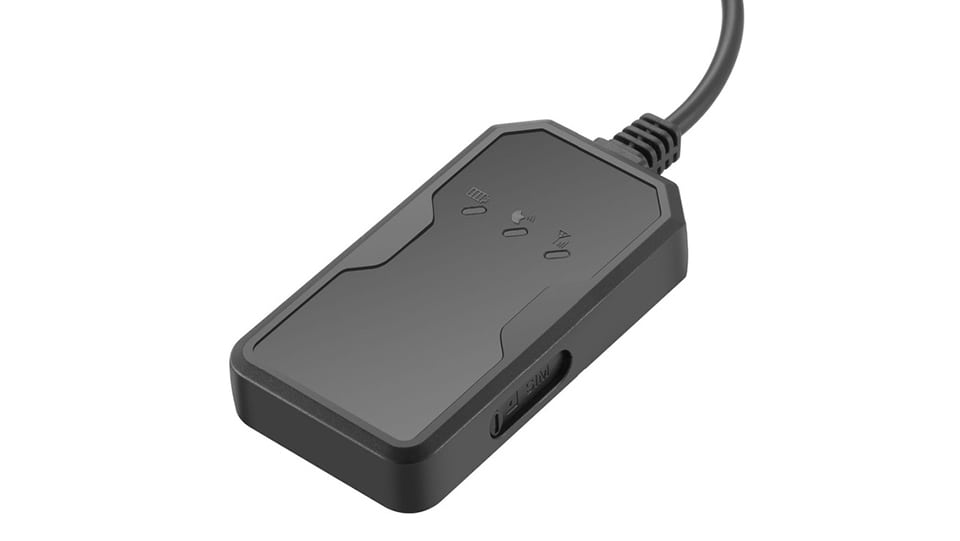
The automotive industry is undergoing a structural paradigm shift toward software-defined vehicles (SDV), autonomous fleet logistics, and ubiquitous connectivity. Today’s commercial vehicles and passenger cars are no longer isolated mechanical assets; they function as sophisticated, edge-computing IoT endpoints streaming real-time operational diagnostics, driver behavior metrics, and high-speed broadband directly to enterprise cloud platforms.
Understanding this connected vehicle ecosystem requires deconstructing the physical hardware interfaces, automotive bus protocols, wireless transceivers, and cybersecurity measures that link in-vehicle electronics to central dispatch centers.
This engineering overview outlines the three-tier connected car architecture and explores how hardware manufacturers design carrier-grade telematics hardware for commercial fleets.
The Three-Tier Connected Car Architecture
┌────────────────────────────────────────────────────────────────────────┐
│                   TIER 1: In-Vehicle Bus & Sensor Layer                │
│   [ Engine ECU ]   [ OBD-II / J1939 CAN ]   [ 3-Axis Gyro / G-Sensor ] │
└───────────────────────────────────┬────────────────────────────────────┘
                                    │ (Direct Pin / CAN-Bus Sniffing)
                                    ▼
┌────────────────────────────────────────────────────────────────────────┐
│             TIER 2: Telematics Gateway & Connectivity Node             │
│   ┌────────────────────────────────────────────────────────────────┐   │
│   │  AceTel Telematics Hardware (N2810 OBD2 / T021 / GN8 5G OBU)   │   │
│   │  ├─ Multi-GNSS Engine (GPS, BDS, GLONASS with AGPS)            │   │
│   │  ├─ Cellular Engine (4G LTE Cat 1/4 or 5G Rel 16 Sub-6GHz)     │   │
│   │  ├─ In-Cabin Local Wi-Fi Hotspot (802.11 b/g/n/ac)             │   │
│   │  └─ C-V2X PC5 Direct Sidelink Radio (SA525M Automotive Module) │   │
│   └────────────────────────────────────────────────────────────────┘   │
└───────────────────────────────────┬────────────────────────────────────┘
                                    │ (Encrypted MQTT / TCP / HTTPS)
                                    ▼
┌────────────────────────────────────────────────────────────────────────┐
│                TIER 3: Enterprise Cloud & Fleet Management             │
│   [ Fleet Management System ]   [ UBI Insurance API ]   [ FOTA ACS ]   │
└────────────────────────────────────────────────────────────────────────┘
Core Hardware Subsystems
1. In-Vehicle Bus Telemetry & CAN Diagnostics
Modern vehicles utilize the Controller Area Network (CAN) bus to enable microcontrollers and Electronic Control Units (ECUs) to communicate without a host computer. Carrier-grade telematics hardware interfaces with standard protocols:
- SAE J1939: The standard communication protocol for heavy-duty commercial trucks, construction machinery, and public transit buses (typically operating at 250 kbps or 500 kbps).
- ISO 15765-4 & OBD-II: Standardized diagnostic protocols across light passenger vehicles, reading vehicle speed, engine RPM, fuel consumption rate, diagnostic trouble codes (DTCs), and coolant temperature.
2. High-Precision Satellite Navigation & Dead Reckoning
Fleet tracking requires consistent location visibility regardless of environmental obstructions. AceTel telematics terminals combine multi-constellation GNSS receivers (GPS, BeiDou, GLONASS, Galileo) with onboard 6-axis Inertial Measurement Units (IMU). When vehicles traverse subterranean tunnels, double-deck highways, or dense skyscraper corridors where satellite line-of-sight is severed, dead reckoning algorithms sustain real-time lane-level positioning.
3. Dual-Function Cellular WAN & In-Cabin Wi-Fi Hotspots
In commercial ride-hailing, luxury executive transport, and field service delivery, telematics hardware must serve a dual operational role:
- Uplink: Transmitting encrypted telemetry data packets (engine parameters, driver harsh braking/acceleration events, GPS breadcrumbs) to cloud servers.
- Local Access: Broadcasting a secure in-cabin Wi-Fi hotspot for passenger smartphones, driver dispatch tablets, Electronic Logging Devices (ELD), and cloud dashcams.
Hardware Form Factors: Matching Hardware to Fleet Requirements
| Deployment Form Factor | Representative AceTel Model | Primary Fleet Application | Installation Time |
|---|---|---|---|
| Plug-and-Play OBD-II Dongle | AceTel N2810 4G OBD2 WiFi Hotspot | Car rental, corporate fleets, rideshare, Usage-Based Insurance (UBI) | < 30 seconds (zero tools) |
| Rugged Hardwired Terminal | AceTel T021 4G Cat-1 Vehicle Tracker | Refrigerated trucks, logistics trailers, construction equipment, anti-theft | 45–60 minutes (13-wire harness) |
| Commercial AIS 140 Unit | AceTel T810 4G Commercial GPS Tracker | Heavy haulage, passenger buses, regulated government transport | 45–60 minutes (1-Wire ID bus) |
| 5G C-V2X Automotive OBU | AceTel GN8 5G C-V2X On-Board Unit | Autonomous driving shuttles, smart highway RSUs, V2V collision avoidance | Direct automotive integration |
Frequently Asked Questions (FAQ)
What is the difference between an OBD2 dongle and a hardwired telematics tracker?
An OBD2 dongle such as the AceTel N2810 plugs directly into the standardized 16-pin port under the dashboard, drawing power directly and reading engine data without cutting wires. It is ideal for rapid, non-invasive deployments and can easily be swapped between vehicles. A hardwired tracker like the AceTel T021 connects directly to vehicle wiring behind the dash, supporting remote fuel pump cutoff relays, external analog fuel sensors, and tamper-resistant anti-theft installation.
How do telematics devices ensure battery protection when vehicles are parked?
AceTel telematics devices integrate intelligent low-power sleep modes. By monitoring vehicle electrical voltage and CAN-bus activity, devices detect when the engine has shut down and enter an ultra-low-current sleep state (< 30mA). They maintain a low-frequency periodic GPS heartbeat to alert dispatchers in case of unauthorized towing or movement, while ensuring the vehicle’s 12V/24V starter battery is never depleted.
Can AceTel telematics hardware integrate with third-party Fleet Management Software (FMS)?
Yes. All AceTel telematics devices support open communication protocols including MQTT, TCP, UDP, and HTTP REST APIs. We supply complete protocol development documentation, sample code, and direct FAE integration support to ensure smooth onboarding into existing FMS, ERP, or TMS platforms.
To evaluate evaluation samples or discuss custom automotive telematics firmware integration, explore our Fleet Management Solutions or contact our technical team.
Technical insight published by AceTel's Field Application Engineering (FAE) and Hardware Architecture team. Tested across 3GPP and carrier-grade RF laboratory standards. Have project questions? Consult our engineers.
Request a Quote for Connected Car Architecture & Telematics Hardware: A Technical Overview of the Vehicle IoT Ecosystem
Tell us your target quantity, destination market and customization needs. Our sales engineers reply within 24 hours with pricing, MOQ options and lead time.